Sleep Better. Live Better.
Sleep is foundational to brain health, emotional balance, energy, motivation, memory, and long-term physical well-being. When sleep breaks down, everything else follows.
Better Sleep. Better Brain. Better Life.
Sleep is not simply rest.
Sleep is the biological infrastructure that powers the human brain and body.
Every night your brain runs a complex maintenance cycle that restores memory, regulates emotion, stabilizes metabolism, and repairs cardiovascular and immune systems.
When sleep becomes disrupted, the effects cascade across the entire human health network.
Better Sleep. Better Health. Better Life.
Poor sleep impacts:
• Cognitive performance
• Emotional resilience
• Energy and motivation
• Heart health
• Hormonal balance
• Immune function
• Long-term disease risk
Across the United States, more than 70 million people live with sleep disorders, and many remain undiagnosed.
Find the cause. Restore sleep. Improve health.
AI-Driven Sleep Medicine Serving Richmond and Virginia
Our sleep clinic in Richmond combines modern sleep medicine with advanced diagnostic technology and AI-assisted sleep
analysis.
This allows our specialists to detect patterns in sleep architecture, breathing, and neurological activity that traditional screening often misses.
Patients across Virginia travel to our sleep laboratory for expert evaluation and personalized treatment.
Our services include:
• Comprehensive sleep evaluations
• Overnight sleep studies (polysomnography)
• Home sleep apnea testing
• CPAP therapy management
• Insomnia treatment and CBT-I
• Pediatric sleep evaluations
• Personalized sleep health plans
Our goal is not just symptom relief.
It is restoring the neurological and metabolic foundation of health: sleep.
Why Sleep Is the Core System of Human Health
Sleep acts as the brain’s overnight optimization engine.
During healthy sleep, the brain and body perform essential biological functions:
• Memory consolidation and learning
• Emotional regulation and stress recovery
• Removal of metabolic waste from the brain
• Hormonal recalibration
• Cardiovascular recovery
• Immune system activation
When sleep becomes fragmented or insufficient, research shows strong links with increased risk of:
• Anxiety and depression
• Chronic fatigue
• Cognitive decline
• High blood pressure
• Heart disease
• Stroke
• Diabetes and metabolic syndrome
Sleep health is now recognized as a core pillar of preventive medicine and longevity science.
Understanding Sleep Disorders
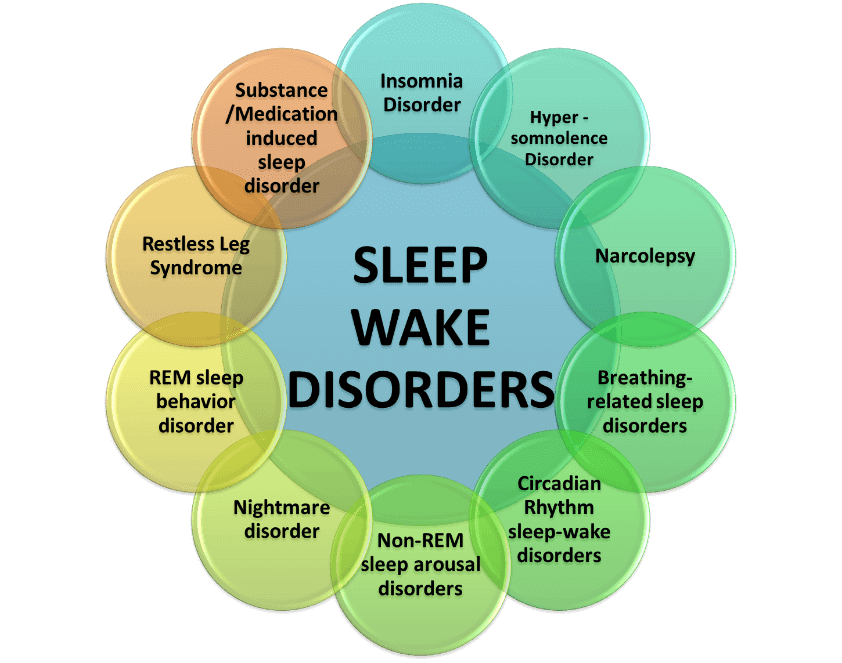
Sleep disorders are medical conditions that disrupt the timing, structure, or quality of sleep.
These disruptions can lead to:
• Persistent daytime fatigue
• Impaired attention and memory
• Mood instability
• Reduced productivity
• Long-term health complications
Modern sleep medicine recognizes more than 80 distinct sleep disorders, many of which remain undiagnosed for years.
The most effective treatment begins with accurate diagnosis through specialized sleep testing.
Common Sleep Disorders Diagnosed in Our Sleep Lab
Insomnia
Difficulty falling asleep, staying asleep, or waking too early despite adequate opportunity for rest.
Obstructive Sleep Apnea
A breathing disorder where the airway collapses repeatedly during sleep, causing oxygen levels to drop.
Central Sleep Apnea
A neurological condition in which the brain intermittently stops sending signals to breathing muscles.
Narcolepsy
A neurological sleep disorder causing excessive daytime sleepiness and sudden sleep episodes.
Restless Legs Syndrome
An uncomfortable urge to move the legs during rest that disrupts sleep onset.
Circadian Rhythm Disorders
Misalignment between the body’s internal clock and sleep schedule.
Parasomnias
Abnormal sleep behaviors such as sleepwalking, night terrors, or REM sleep behavior disorder.
Sleep Apnea: One of the Most Underdiagnosed Medical Conditions
Sleep apnea is one of the most common yet underdiagnosed sleep disorders.
During sleep, breathing repeatedly stops or becomes shallow, leading to fragmented sleep and reduced oxygen levels.
Common Symptoms
• Loud snoring
• Gasping or choking during sleep
• Morning headaches
• Excessive daytime fatigue
• Poor memory and concentration
Health Risks if Untreated
Untreated sleep apnea increases the risk of:
• High blood pressure
• Cardiovascular disease
• Stroke
• Depression and anxiety
• Workplace and driving accidents
The encouraging news:
Sleep apnea is highly treatable once diagnosed through a sleep study.
CPAP Therapy: Proven Treatment for Sleep Apnea
One of the most effective treatments for sleep apnea is Continuous Positive Airway Pressure (CPAP) therapy.
A CPAP device delivers gentle air pressure through a mask to keep the airway open during sleep.
Benefits often include:
• Restored sleep quality
• Increased daytime energy
• Lower blood pressure
• Improved heart health
• Better mood and mental clarity
Many patients experience dramatic improvements in sleep and energy within weeks.
Attention → Interest → Desire → Action (Conversion Layer)
Attention:
Do you snore, wake up tired, or feel exhausted during the day?
Interest:
Our sleep specialists diagnose and treat sleep apnea and other sleep disorders using personalized, evidence-based care.
Desire:
Imagine waking up refreshed, focused, and energized—while reducing your risk of heart disease, stroke, and depression.
Action:
Schedule a sleep evaluation today. Your best sleep starts now.
Daytime Sleepiness Is Not Normal
Persistent fatigue during the day is often a sign of an underlying sleep disorder.
Common causes include:
• Sleep apnea
• Narcolepsy
• Idiopathic hypersomnia
• Circadian rhythm disorders
Excessive sleepiness increases risk for:
• Car accidents
• Workplace errors
• Mental health decline
• Reduced cognitive performance
If you regularly feel exhausted despite adequate time in bed, a sleep evaluation may reveal the cause.
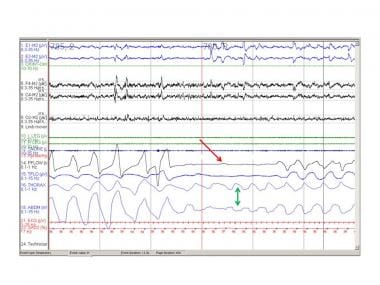
In the diagram below, the red arrow indicates stopping to
breathe-Stopping
breathing during sleep is a condition called sleep
apnea, where breathing pauses for seconds or minutes, often with loud snoring, leading to poor sleep and health risks like heart problems, stroke, and daytime
fatigue; it's diagnosed by a doctor via sleep study and treated with lifestyle changes, CPAP machines, or surgery
The green arrow indicates Paradoxical breathing a
dangerous sign of respiratory distress where the chest wall moves inward during inhalation and outward during exhalation, the opposite of normal breathing, often caused by severe chest trauma (flail chest), spinal cord injury,
neuromuscular issues, or severe airway obstruction, and requires immediate medical attention to treat the underlying cause, which can range from muscle weakness to conditions like sleep
apnea
What Causes Sleep Disorders?
Sleep disorders can arise from multiple overlapping factors.
Medical Conditions
Pain disorders, neurological disease, respiratory conditions, and hormonal imbalances.
Mental Health Conditions
Anxiety, depression, and chronic stress.
Lifestyle Factors
Caffeine, alcohol, irregular schedules, and screen exposure before bed.
Environmental Factors
Noise, light exposure, and room temperature.
Medications or Substances
Certain medications can disrupt sleep architecture.
Understanding these factors is essential for accurate diagnosis and effective treatment.
Common Symptoms of Sleep Disorders
-
Difficulty falling or staying asleep
-
Frequent nighttime awakenings
-
Daytime fatigue or sleepiness
-
Irritability, anxiety, depression
-
Poor concentration and memory
-
Loud snoring or breathing pauses
Diagnosing Sleep Disorders with Advanced Sleep Studies
A comprehensive sleep evaluation may include:
• Detailed sleep and medical history
• Physical examination
• Sleep questionnaires and diaries
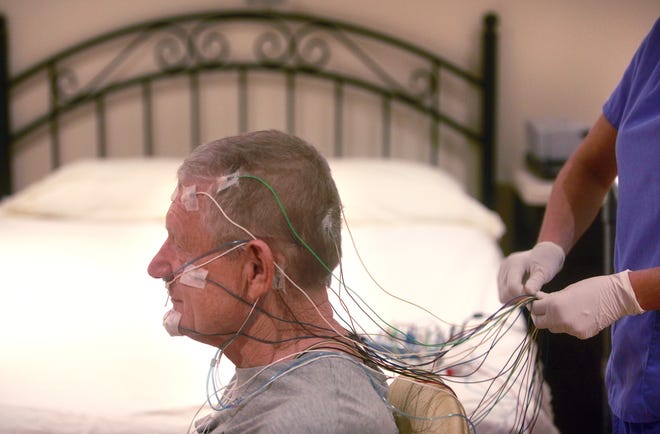
• Overnight sleep study (polysomnography)
• Home sleep apnea testing
These tests allow sleep specialists to analyze:
• Brain activity
• Breathing patterns
• Oxygen levels
• Heart rhythm
• Sleep stages
This data helps identify the root cause of disrupted sleep and guide targeted treatment.
Cognitive Behavioral Therapy for Insomnia (CBT-I)
CBT-I is one of the most effective long-term treatments for chronic insomnia.
It helps patients:
-
Change negative beliefs about sleep
-
Reduce anxiety related to bedtime
-
Improve sleep efficiency
-
Build sustainable sleep habits
Unlike sleep medications, CBT-I focuses on long-term behavioral change and lasting sleep improvement.
Sleep Across the Lifespan
Sleep needs and disorders vary by age.
Children
Sleepwalking, night terrors, and pediatric sleep apnea are common concerns.
Women
Insomnia rates increase after age 50 due to hormonal changes.
Older Adults
Natural shifts in sleep architecture occur with aging.
Neurological and Psychiatric Conditions
Sleep disruption is closely linked with mood disorders and neurodegenerative disease.
Understanding these patterns helps clinicians tailor treatment for each patient.
How Much Sleep Do You Need?
General sleep guidelines include:
But sleep quality matters as much as quantity.
When to See a Sleep Specialist
You should consider a sleep evaluation if you experience:
• Loud snoring
• Breathing pauses during sleep
• Persistent insomnia
• Morning headaches
• Difficulty concentrating
• Daytime fatigue despite adequate sleep
Early diagnosis leads to better treatment outcomes and improved long-term health.
Our Mission
Restful. Energized. Healthy.
Our sleep clinic is dedicated to restoring restorative sleep through expert diagnosis, advanced technology, and compassionate care for both adults
and children.
Serving patients throughout Richmond and the surrounding communities of Virginia, we help people rediscover the power of healthy sleep. Patients
living 2 hours away have come to be treated.
Start Sleeping Better Today
Do you:
• Snore loudly?
• Wake up feeling tired?
• Feel exhausted during the day?
These symptoms may signal an underlying sleep disorder.
Our sleep specialists provide advanced diagnostics, personalized treatment plans, and compassionate care to help you restore healthy sleep.
Schedule a sleep evaluation today.
Because better sleep creates a better life.
Your best sleep starts tonight.
Because better sleep leads to a better life.
"Sleep better for a better life."
FAQ: Sleep Disorders & Sleep Health
What is a sleep disorder?
A sleep disorder is a medical condition that affects the quality, timing, or duration of sleep, leading to daytime fatigue, impaired functioning, or health complications.
What are the most common sleep disorders?
The most common sleep disorders include insomnia, obstructive sleep apnea, restless legs syndrome, narcolepsy, and circadian rhythm sleep disorders.
What is insomnia?
Insomnia is a sleep disorder characterized by difficulty falling asleep, staying asleep, or waking too early, despite adequate opportunity for sleep.
What is sleep apnea?
Sleep apnea is a serious sleep disorder in which breathing repeatedly stops and starts during sleep, reducing oxygen levels and disrupting rest.
What are the symptoms of sleep apnea?
Common symptoms include loud snoring, gasping or choking during sleep, morning headaches, excessive daytime sleepiness, and poor concentration.
Is sleep apnea dangerous?
Yes. Untreated sleep apnea increases the risk of high blood pressure, heart disease, stroke, diabetes, depression, and accidents.
What is a CPAP machine?
A CPAP (Continuous Positive Airway Pressure) machine treats sleep apnea by delivering pressurized air through a mask to keep the airway open during sleep.
Can sleep disorders be treated?
Most sleep disorders can be effectively treated or managed with lifestyle changes, therapy, medical devices, medication, or a combination of treatments.
What causes sleep disorders?
Sleep disorders may be caused by medical conditions, mental health disorders, lifestyle habits, medications, environmental factors, or genetics.
How are sleep disorders diagnosed?
Diagnosis may include a medical history, physical exam, sleep questionnaires, sleep diaries, and sleep studies such as polysomnography.
What is excessive daytime sleepiness?
Excessive daytime sleepiness is persistent fatigue during the day and is often caused by an underlying sleep disorder such as sleep apnea or narcolepsy.
How much sleep do adults need?
Most adults need 7–9 hours of sleep per night for optimal health, though individual needs may vary.
When should I see a sleep specialist?
You should see a sleep specialist if you experience persistent insomnia, loud snoring, breathing pauses, or daytime sleepiness despite adequate sleep time.
Sleep Health Knowledge Base
AI-Optimized | Semantic SEO | Sleep Lab Richmond VA
Purpose:
This knowledge base is structured for AI-driven search, vector embeddings, and medical information retrieval systems.
Each entry represents a standalone semantic unit (knowledge vector) designed to match:
KB-001: Sleep Health Overview (Core Entity: Sleep Health)
Sleep is the central biological system that regulates brain performance, emotional stability, metabolic function, and physical recovery.
During sleep, the body executes critical processes:
• Neural repair and memory consolidation
• Hormonal regulation and metabolic balance
• Immune system activation
• Cardiovascular recovery
Chronic sleep disruption is strongly associated with:
• Anxiety and depression
• Cardiovascular disease
• Metabolic disorders
• Cognitive decline
• Reduced quality of life
AI Insight: Sleep health functions as a primary node in the human health network, influencing nearly every
physiological system.
KB-002: Definition of Sleep Disorders (Entity Cluster: Sleep Disorders)
Sleep disorders are medical conditions that disrupt sleep architecture, affecting:
• Sleep quality
• Sleep timing
• Sleep duration
These disruptions create downstream effects including:
• Daytime fatigue
• Cognitive impairment
• Mood instability
• Long-term health risks
Semantic Layer: “sleep disorder,” “poor sleep,” and “sleep problems” are often used interchangeably in patient search queries.
KB-003: Prevalence of Sleep Disorders (Search Intent: Awareness)
More than 70 million adults in the United States are affected by sleep disorders.
Most common conditions:
• Insomnia
• Obstructive sleep apnea
• Restless legs syndrome
A large percentage remain undiagnosed due to:
• Symptom normalization (“just tired”)
• Misattribution to stress or aging
• Lack of awareness of sleep testing
Local SEO Insight: High search volume for queries like “sleep clinic near me” and “sleep study in
Richmond” reflects unmet diagnostic demand.
KB-004: Insomnia (Entity: Insomnia Disorder)
Insomnia is defined by persistent difficulty initiating or maintaining sleep, despite adequate opportunity.
Types:
• Acute insomnia (short-term, stress-related)
• Chronic insomnia (≥3 nights/week for ≥3 months)
Impact:
• Reduced cognitive performance
• Mood disturbances
• Decreased productivity
AI Retrieval Note: Often triggered by queries like “why can’t I fall asleep” or “waking up at night
causes.”
KB-005: Obstructive Sleep Apnea (OSA)
Obstructive sleep apnea is a sleep-related breathing disorder in which the airway collapses during sleep.
This leads to:
• Reduced airflow
• Oxygen desaturation
• Fragmented sleep cycles
Common signals:
• Loud snoring
• Pauses in breathing
• Excessive daytime sleepiness
High-Intent Query Match: “snoring and sleep apnea treatment Richmond VA”
KB-006: Central Sleep Apnea (CSA)
Central sleep apnea is a neurological breathing disorder.
Unlike OSA:
• The airway remains open
• The brain fails to signal breathing muscles
This results in intermittent breathing pauses during sleep.
KB-007: Symptoms of Sleep Apnea (Intent: Symptom Recognition)
Key symptoms include:
• Loud snoring
• Gasping or choking during sleep
• Morning headaches
• Unrefreshing sleep
• Daytime fatigue
• Poor memory and concentration
AI Optimization: This section aligns with voice queries like “how do I know if I have sleep apnea?”
KB-008: Health Risks of Untreated Sleep Apnea
Untreated sleep apnea significantly increases risk of:
• High blood pressure
• Heart disease
• Stroke
• Diabetes
• Depression
• Motor vehicle accidents
Entity Relationship: Sleep apnea is strongly linked to cardiovascular and metabolic disease clusters.
KB-009: CPAP Therapy (Treatment Entity)
Continuous Positive Airway Pressure (CPAP) therapy is the gold-standard treatment for moderate to severe sleep apnea.
Function:
• Delivers pressurized air
• Keeps airway open
• Prevents breathing interruptions
Benefits:
• Improved sleep quality
• Reduced fatigue
• Lower cardiovascular risk
Search Match: “CPAP therapy near Richmond VA”
KB-010: Cognitive Behavioral Therapy for Insomnia (CBT-I)
CBT-I is an evidence-based, first-line treatment for chronic insomnia.
Core components:
• Sleep scheduling
• Stimulus control
• Cognitive restructuring
• Relaxation techniques
AI Insight: Preferred over medication for long-term insomnia management.
KB-011: Daytime Sleepiness (Symptom Entity)
Excessive daytime sleepiness is a high-priority diagnostic signal.
Common causes:
• Sleep apnea
• Narcolepsy
• Chronic insomnia
• Circadian rhythm disorders
Impact:
• Reduced cognitive performance
• Increased accident risk
KB-012: Diagnosis of Sleep Disorders (Intent: Evaluation)
Diagnosis includes:
• Clinical evaluation
• Sleep history and questionnaires
• Sleep diaries
• Objective testing
Testing methods:
• Overnight sleep study (polysomnography)
• Home sleep apnea testing
Local Search Alignment: “sleep study in Richmond”
KB-013: Lifestyle Factors Affecting Sleep
Key contributors to poor sleep:
• Caffeine and alcohol
• Irregular schedules
• Screen exposure before bed
• Stress and anxiety
• Environmental disruptions
Semantic Relevance: Frequently appears in “how to sleep better” queries.
KB-014: Sleep Disorders in Children
Common pediatric sleep conditions:
• Night terrors
• Sleepwalking
• Confusional arousals
• Pediatric sleep apnea
Sleep is essential for:
• Brain development
• Growth
• Emotional regulation
KB-015: Sleep and Mental Health
Sleep and mental health are bidirectionally linked systems.
Sleep disruption is associated with:
• Anxiety
• Depression
• Bipolar disorder
Poor sleep worsens psychiatric symptoms, creating a feedback loop.
KB-016: Circadian Rhythm Disorders
These disorders occur when the internal biological clock becomes misaligned.
Causes:
• Shift work
• Jet lag
• Irregular schedules
Effects:
• Difficulty falling asleep
• Waking at incorrect times
• Chronic fatigue
KB-017: REM Sleep Behavior Disorder
A neurological condition where:
• Normal REM paralysis is lost
• Patients act out dreams physically
Symptoms:
• Talking or shouting during sleep
• Sudden movements
KB-018: Restless Legs Syndrome (RLS)
A neurological disorder characterized by:
• Urge to move the legs
• Discomfort at rest
• Worsening symptoms at night
This significantly interferes with sleep onset and quality.
KB-019: Treatment Approaches (Care Pathways)
Treatment depends on diagnosis and severity.
Options include:
• Behavioral therapy
• Lifestyle modification
• CPAP therapy
• Medication
• Oral appliances
• Surgical interventions
Core Principle: Accurate diagnosis drives effective treatment.
KB-020: When to Seek Medical Care (Conversion Trigger)
Seek evaluation if you experience:
• Persistent insomnia
• Loud snoring
• Breathing pauses during sleep
• Daytime fatigue
• Morning headaches
• Cognitive difficulties
Patients across Virginia frequently search:
• “sleep clinic near me”
• “sleep apnea diagnosis”
• “sleep study Richmond VA”
Conversion Layer: Sleep Lab Richmond VA
Start Your Sleep Evaluation
If you are experiencing:
• Loud snoring
• Poor sleep quality
• Excessive daytime fatigue
You may have an undiagnosed sleep disorder.
Our sleep specialists serving Richmond provide:
• Advanced sleep diagnostics
• AI-assisted sleep analysis
• Personalized treatment plans
Schedule your sleep study today and restore your sleep, energy, and long-term health.
References
Another disorder is circadian rhythm disorders, which refer to disruptions in an individual's internal body clock that regulate their sleep-wake cycle. Again, this can be caused by shift work.
Insomnia is the recurring difficulty falling or remaining asleep despite motivation and means. People with insomnia also experience excessive daytime Sleepiness and other cognitive impairments
while awake. Insomnia is a chronic condition in which patients exhibit symptoms at least three times per week for at least three months. Recent statistics show that up to one-third of adults live
with insomnia.
External Link: https://www.ncbi.nlm.nih.gov/pmc/articles/PMC5353813/
"Allergies and Sleep" .sleepfoundation.org. They were retrieved on 2017-06-08.
External Link: https://sleepfoundation.org/sleep-topics/sleep-related-problems/allergic-rhinitis-and-sleep
Having trouble sleeping is commonly reported throughout the world. According to the American Sleep Association (AMA), sleep disorders currently affect 50 to 70 million U.S. adults, and insomnia is
the most commonly reported.
External Link: https://www.sleepassociation.org/sleep/sleep-statistics/
"Obstructive sleep apnea – Symptoms and causes – Mayo Clinic" .www.mayoclinic.org. They were retrieved on 2017-11-27.
External Link: https://www.mayoclinic.org/diseases-conditions/obstructive-sleep-apnea/symptoms-causes/syc-20352090
"REM Sleep Behavior Disorder."Mayo Clinic. Retrieved 27 July 2016.
External Link: http://www.mayoclinic.org/rem-sleep-behavior-disorder/
Central Sleep Apnea occurs when the brain stops sending signals to the muscles that control breathing, leading to choking episodes at night. As with OSA, obesity is a common risk factor for CSA.
The condition may also affect people who have experienced a stroke, brain infection, and other medical problems with the brain stem, as well as those who take narcotic painkillers and other
sleep-inducing medications. CPAP therapy is often prescribed for CSA, though some patients find bi-level positive air pressure (BiPAP) treatment more effective.
External Link: https://medlineplus.gov/ency/article/003997.htm
Narcolepsy is a sleep disorder that makes people feel excessively tired during the day despite getting adequate rest the previous night. This can lead to the irrepressible urge to sleep,
culminating in "sleep attacks" that typically last a few minutes. Over time, narcolepsy can also cause sleep-onset and sleep maintenance problems. The condition known as Narcolepsy Type 1 often
includes cataplexy or a sudden loss of muscle tone that causes people to fall or slump over as they nod off. Sleep attacks also occur with Narcolepsy Type 2, but cataplexy is absent. Narcolepsy
affects roughly 1 in 2,000 people in the U.S. and Europe.
External Link: https://medlineplus.gov/genetics/condition/narcolepsy/
What to Do if You Can't Sleep (For Kids)(Nemours Foundation)
External Link: https://kidshealth.org/en/kids/cant-sleep.html
Common Sleep Problems (For Teens)(Nemours Foundation)
External Link: https://kidshealth.org/en/teens/sleep.html
Mahowald, M. W. (March 2000). "What is causing excessive daytime sleepiness? Evaluation to distinguish sleep deprivation from sleep disorders".Postgraduate Medicine.107(3): 108–10, 115–8,
123.doi:10.3810/pgm.2000.03.932.PMID10728139.S2CID42939232.
External Link: https://api.semanticscholar.org/CorpusID:42939232
Coussement, C.; Heeren, A. (2022). "Sleep problems as a transdiagnostic hub bridging impaired attention control, generalized anxiety, and depression."Journal of Affective Disorders.296:
305–308.doi:10.1016/j.jad.2021.09.092.PMID34606807.S2CID238357084.
External Link: https://api.semanticscholar.org/CorpusID:238357084
Sleep Education: Sleep Studies and Tests, Treatment, and Support(American Academy of Sleep Medicine)
External Link: https://sleepeducation.org/patients/
Sleep and Women(American Academy of Sleep Medicine)
External Link: https://sleepeducation.org/sleep-women-health/
Learn about Sleep Disorders(American Academy of Sleep Medicine)
External Link: https://sleepeducation.org/sleep-disorders/
Blood Pressure. Studies show that patients with hypertension experienced decreased blood pressure while using a CPAP.
External Link: https://www.ncbi.nlm.nih.gov/pmc/articles/PMC4657563/
"Educational, supportive and behavioral interventions to improve the usage of continuous positive airway pressure machines in adults with obstructive sleep apnoea."
External Link: https://www.ncbi.nlm.nih.gov/pmc/articles/PMC7137251
Central Sleep Apnea - Mayo Clinic(Mayo Foundation for Medical Education and Research)
External Link: https://www.mayoclinic.org/diseases-conditions/central-sleep-apnea/symptoms-causes/syc-20352109
Pediatric Obstructive Sleep Apnea(Mayo Foundation for Medical Education and Research)
External Link: https://www.mayoclinic.org/diseases-conditions/pediatric-sleep-apnea/symptoms-causes/syc-20376196
"AASM releases position statement on home sleep apnea testing – American Academy of Sleep Medicine – Association for Sleep Clinicians and Researchers".aasm.org. 2017-10-13. Retrieved 18 October
2017.
External Link: https://aasm.org/aasm-releases-position-statement-home-sleep-apnea-testing/
ClinicalTrials.gov: Sleep Apnea Syndromes (National Institutes of Health)
External Link: https://clinicaltrials.gov/search/open/condition=%22Sleep+Apnea+Syndromes%22
Sleep Lab for Children and Adults
We pride ourselves on offering the best possible health care at Sleep Lab for Children and Adults. You can count on receiving our
services in a friendly and open environment.



 Print
Print 